
Outage Center
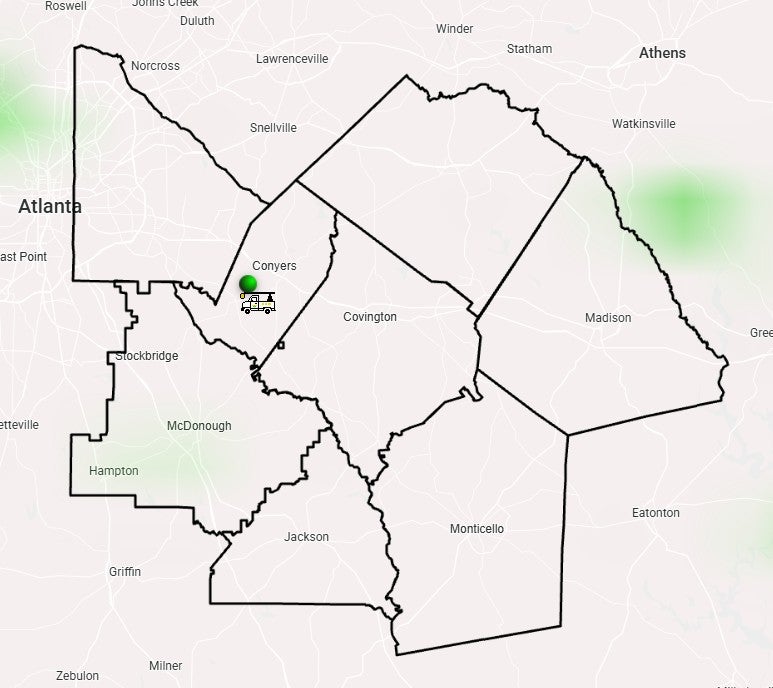
Report an Outage
By Text
Report outages and receive alerts regarding the status of your outage. Register and learn more about TextPower.
Mobile App
The mySSEMC app is available for iOS and Android devices. To download the app, click below:


Online
Log in to our mySSEMC member portal online by clicking here. If you are a first-time user, follow the directions to create an account. The portal may also be used for payments, to review usage, and to manage your account.
By Phone
Call SSEMC’s 24-hour Outage Reporting Line at 678-814-4961.
Power Outage Safety
At Snapping Shoals EMC, we are committed to providing you with the best possible service. While we work diligently to minimize outages, knowing what to do when the lights go out is the most important step in keeping your family safe.
Use these essential tips to navigate an unexpected power loss with confidence.
- Immediate Hazards & Electrical Safety
These steps are critical for managing immediate danger when the power goes out:- Avoid Downed Power Lines: NEVER touch or approach a downed power line. Always assume it is energized and dangerous. If a line falls on your car, stay inside your vehicle and wait for emergency personnel.
- Prevent Fire Hazards: Use battery-powered flashlights and lanterns instead of candles, gas lanterns, or torches to minimize the risk of fire.
- Carbon Monoxide Danger: To prevent deadly carbon monoxide poisoning, use generators, grills, and similar combustion items outdoors only, away from windows and vents.
- Avoid Downed Power Lines: NEVER touch or approach a downed power line. Always assume it is energized and dangerous. If a line falls on your car, stay inside your vehicle and wait for emergency personnel.
- Comfort, Food, and Water
Knowing how to manage temperature and resources is key to staying comfortable during a prolonged outage.- Regulate Body Temperature:
- Hot Weather: Stay cool and drink plenty of fluids to prevent heat-related illness.
- Cold Weather: Wear layers of clothing and use blankets to help trap body heat.
- Maintain Food Safety: Keep refrigerator and freezer doors shut. A closed refrigerator will typically stay cold for up to 12 hours. Use a food thermometer to check the temperature of your perishable items. Throw away any food that has reached a temperature of more than 40°F.
- Ensure Water Purity: Water purification systems may not function fully during an outage. Safe water for drinking, cooking, and personal hygiene includes bottled, boiled, or treated water. Your local health department can provide specific recommendations for your area.
- Regulate Body Temperature:
- Post-Outage & Preparation
Be prepared for the moment the power returns, and plan ahead for future outages.- Protect Appliances: Unplug major appliances and sensitive electronics to prevent them from being damaged by a power surge when the electricity comes back on.
- Know When Power is Back: Leave one light switch on (like a lamp) so you’ll know immediately when power has been restored.
- Build an Emergency Kit: Make an emergency supply kit containing water, dried/canned food, flashlights, batteries, first-aid supplies, and prescription medicines. The goal is to have enough supplies to last for at least three days.
- Protect Appliances: Unplug major appliances and sensitive electronics to prevent them from being damaged by a power surge when the electricity comes back on.
For more safety information and comprehensive ways to protect yourself and your home, visit Power Outages | Ready.gov.
